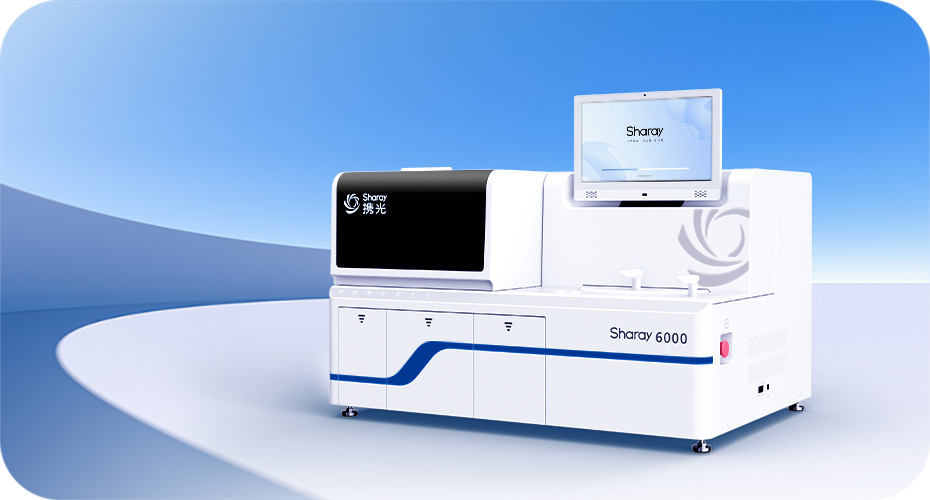
Introduction
In Vitro Diagnostics (IVD) plays a critical role in modern healthcare by enabling laboratories and clinicians to detect diseases, monitor treatment effectiveness, and support accurate medical decisions. As technology continues to evolve, the field of diagnostics is experiencing rapid transformation driven by innovation, automation, and data-driven insights.
The future of IVD is focused on improving speed, accuracy, and accessibility while supporting more personalized approaches to patient care.
The Growing Importance of IVD
Healthcare systems around the world increasingly rely on diagnostic testing to guide clinical decisions. From infectious diseases to genetic conditions and chronic illnesses, laboratory testing provides essential information that helps physicians diagnose and treat patients more effectively.
Advances in IVD technologies are enabling laboratories to process large volumes of samples with greater efficiency, while maintaining high standards of accuracy and reliability.
Trend 1: Automation in Laboratory Diagnostics
Automation is becoming a major trend in diagnostic laboratories. Automated systems reduce manual handling, improve workflow efficiency, and minimize the risk of human error.
Modern laboratory automation platforms can perform multiple processes including sample preparation, analysis, and result reporting. This allows healthcare providers to deliver faster diagnostic results while maintaining consistent quality.
Trend 2: Molecular Diagnostics Expansion
Molecular diagnostics has become one of the fastest-growing segments in the IVD market. Technologies such as PCR and nucleic acid testing allow laboratories to detect pathogens and genetic